West Texas sun is tough on wood. Here is how often to re-stain your fence, and the signs it needs it sooner.
Lubbock gets plenty of sun, wind and dry heat, and all three are hard on a wood fence. Without protection, most fences start turning gray within a season or two, then dry out and crack. Staining is the simplest way to keep your fence looking good and lasting longer.
The short answer: every 2–5 years
Most fences need re-staining every 2–5 years. Where yours falls depends on a few things:
- Type of stain. Clear and transparent stains wear fastest. Semi-transparent and solid stains last longer.
- Sun exposure. South- and west-facing sides of a fence fade first.
- Type of wood. Cedar holds stain well. Pressure-treated pine needs to dry out before its first coat.
Signs your fence is ready for stain
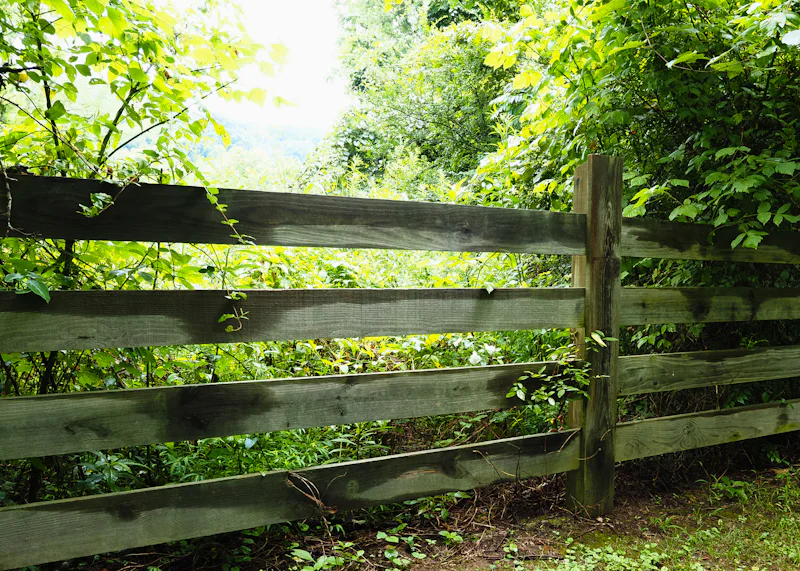
- The color has faded or the wood is turning silver-gray.
- Water soaks in instead of beading up on the boards.
- You see small cracks, splinters or boards starting to cup.
Why it is worth doing
Re-staining costs far less than replacing boards or a whole fence. It protects the wood from UV damage, helps prevent cracking and warping, and makes your whole yard look cared for.
Not sure if your fence is ready? We will take a look and give you a free, no-obligation estimate.